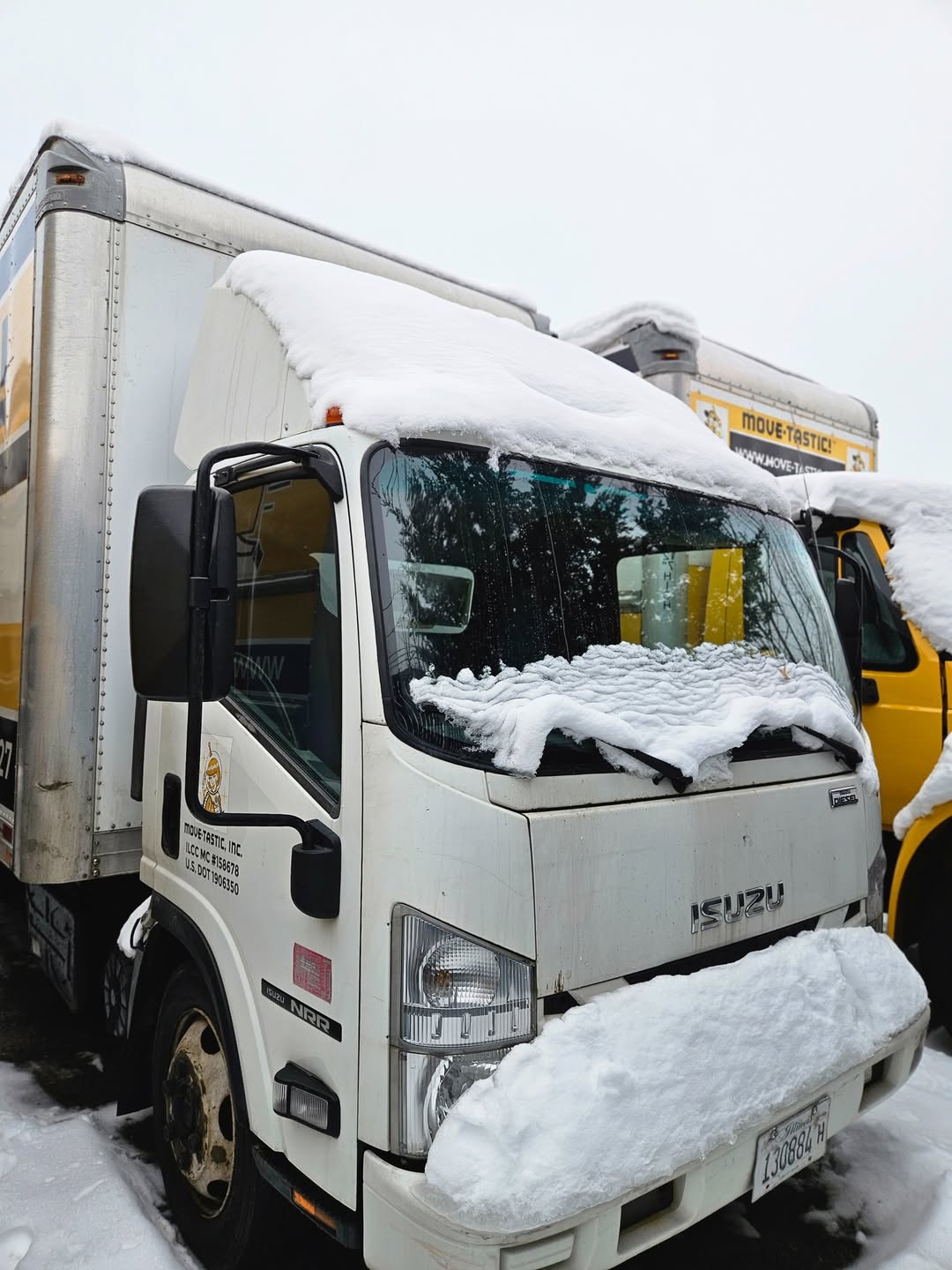
Relocating to a new city and state is exciting. But when you plan an interstate move to or from Chicago during December, January, or February, you’ll need to take special care to protect your belongings from the cold, ice, and snow. Never fear! We’ve got the winter moving tips you need for packing temperature-sensitive items so everything arrives at your new home safe and warm.
Professional Winter Moving Tips for Cold-Weather Moves
Before you even get to packing, there are a few things you can do to set yourself up for a safe long-distance winter move to or from Chicago. Here are some of the best winter moving tips for relocating in the Midwest:
- Start planning your move about two months ahead so you have time to research moving companies and pack up your home.
- Find insulated packing materials that’ll keep your belongings safe and warm.
- Consider hiring a professional packing service. These experts will bring the supplies and skills needed to protect your prized possessions from the winter elements.
- Keep an eye on the weather so you know what to expect on your moving day.
The more knowledge you gain while preparing for your winter move, the better you’re setting yourself up for a smooth and easy interstate relocation.
How to Protect Fragile Items During a Winter Move
Moving delicate items in freezing temperatures can be daunting. This is especially true when you pack up fragile items that are already at risk of damage. Materials like glass, ceramics, plastics, and even some metals become brittle in extreme cold, so you’ll need to pay special attention when packing temperature-sensitive items like these.
First, pad and insulate your delicate belongings. Drinking glasses, dinner plates, and decorative knick-knacks need both cushion and warmth to prevent damage during your interstate move. Wrap each item carefully in multiple sheets of packing paper, and crumple up a few more sheets to fill the empty space between items.
Next, be sure to place these items toward the top of the boxes so they won’t be crushed by other heavy contents during the move. Finally, label each box “FRAGILE—DO NOT STACK” and “THIS SIDE UP” with an arrow so your movers know the items inside are delicate. For particularly fragile items, consider renting plastic moving bins as a sturdier and more winter-resistant alternative to cardboard.
Packing Electronics for Cold Weather
Items like TVs, stereos, cell phones, laptops, computers, tablets, and game consoles are at a definite risk during a winter move. Cold weather—and any moisture like ice and snow—can easily damage electronics. To help protect these valuable (and expensive!) devices against the elements, follow these winter moving tips:
- Clean and dust each item before packing, and remove and label all cables and chargers.
- If you have the original manufacturer’s box and packing materials your electronics came in, pack your devices in there.
- Wrap each item in an anti-static bag and soft, thick linens for warmth and protection.
- Consider placing your electronics inside plastic bags before you box them up to prevent moisture from getting in.
- Transport them in your personal vehicle so they get the benefit of your car’s heat.
Anything that you can’t bring on your own will be packed in the box of the moving truck, and these areas usually aren’t temperature-controlled. If you’re concerned about packing temperature-sensitive items like electronics, talk to your long-distance moving company about any winter-resistant supplies they can provide.
Safe Winter Moving Tips for Your Valuables
In general, moving companies won’t move valuable items like jewelry and coin collections. Additionally, if you have any items of extraordinary value (i.e., anything valued at over $100 per pound), fine art, or antiques, you’ll need to let your movers know ahead of time. Some of your possessions might require specialized crating or additional insurance.
The best practice for smaller valuables like jewelry and currency is usually to keep them with you during your interstate move. You’ll have the confidence that your most prized possessions (whether they’re of monetary or sentimental value) are safe, warm, and dry. Just be sure to inform your movers of your valuables so they can provide winter moving tips and advice on the best way to pack and transport these items to your new home.
Prepping Your Plants For a Cold-Weather Relocation
Remember: your belongings will be packed into the box of a moving truck, which will be cold during a winter move. Just like packing temperature-sensitive items such as breakables, electronics, and valuables, you’ll need to follow a few winter moving tips to keep your potted plants safe and warm during transportation.
If you have room in your personal vehicle, great! Warm up the car before packing your plants inside so they’re not shocked by the cold. And if you don’t have room in your own car, follow these steps:
- Remove any dead leaves from the plants.
- If the plant is large or the leaves drape outside of the pot, gently tie them with twine.
- Don’t water the plants right before your move. The water can leak out in the moving truck and get other boxes and furniture items wet.
- Pad and insulate the pots with moving blankets and shrink wrap for warmth.
When you arrive at your new home, be prepared to give your plants a little TLC. Place them in a warm, sunny spot and give them the water and food they need to thrive in their new dwelling.
Looking for Winter Moving Tips for Your Interstate Relocation? Call Chicago’s Favorite Long-Distance Movers!
Packing temperature-sensitive items and moving in cold weather doesn’t have to be stressful. Just take your time, plan ahead, and call in Chicago’s favorite movers. Our friendly experts will help you coordinate the logistics, and our talented movers will pack, prep, and transport your belongings with the care they deserve. You’ll even get the benefit of our insider winter moving tips throughout the process!
Connect with a winter moving specialist today for your custom estimate!