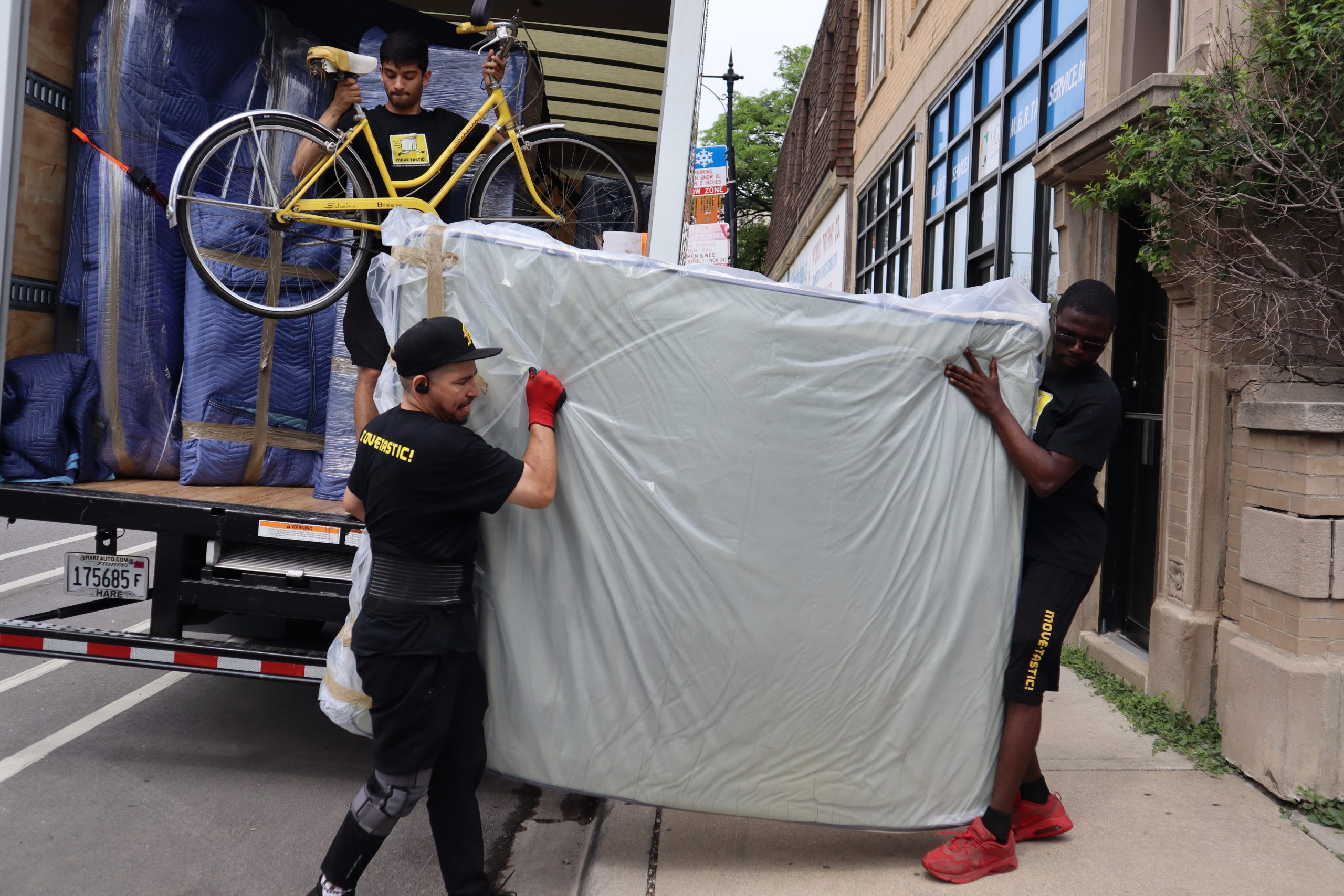
Your mattress is one of the most used items in your home, and it plays a big role in how well you sleep and feel each day. That’s why knowing how to protect your mattress when moving is so important. Without the right steps, it can get stained, torn or bent during the move, which can shorten its life and make it less comfortable. Taking time to cover and secure your mattress keeps it clean and in good shape, so you can enjoy a good night’s sleep once it’s set up in your new place.
Why Protecting a Mattress Matters
Mattresses aren’t designed to be carried around, squeezed through doorways or strapped into moving trucks. During a move, they face a lot of risks, including:
- Stains from dirt, rain or spills in the moving truck
- Tears and punctures from nails, sharp corners or dragging across rough ground
- Bending or sagging if forced through tight spaces or stacked under heavy boxes
- Moisture damage that can lead to mold, mildew and odors that are difficult to fix
A quality mattress should last seven to ten years with proper care, according to the National Sleep Foundation. But if it’s damaged during a move, you could lose years of use in a single day.
Replacing a mattress can cost hundreds or even thousands of dollars, and recycling options are limited, which means damaged mattresses often end up in landfills. Taking the right steps to protect your mattress saves you money and helps reduce waste.
Beyond the financial and environmental costs, there are also health risks to consider. Moisture is one of the most serious issues. A mattress that gets wet in transit can develop mold deep inside, where it can’t be seen or cleaned. That doesn’t just shorten its lifespan; it can also create health problems for people with asthma or allergies. Protecting your mattress from water and dirt during a move is just as important as protecting it from physical damage.
Choosing the Right Mattress Protection
The best way to protect a mattress is with a cover. Mattress covers create a shield against dirt, liquids and scratches. The right cover depends on your budget, the distance of your move and the type of mattress you own.
Plastic mattress bags are the most common choice. They’re affordable, sold in most moving supply stores and provide basic protection from dust and dirt. Standard plastic bags work for short moves, but heavy-duty versions resist tearing and can handle longer trips.
Reusable fabric covers offer more protection. They’re made from thick fabric or reinforced materials, often with zippers for a snug fit. Some include handles that make moving easier. They cost more upfront but can be reused for future moves or storage too.
Mattress Cover Options
Fit matters. Covers are made in different sizes — twin, queen, king — and using the right size ensures your mattress is fully protected. An oversized cover may slip off, while one that’s too small can tear during the move.
- Waterproof Covers: They’re a smart choice if you’re moving in wet conditions or storing the mattress for more than a day or two. They keep out rain, spills and condensation.
- Zippered Covers vs. Slip-On Bags: Zippered covers create a tighter seal and are less likely to slip off during the move. Slip-on bags are quicker to put on but may need tape to stay closed. If you’re transporting your mattress long-distance, a zippered option is the safer bet.
- Breathable Covers for Foam Mattresses: Memory foam and hybrid mattresses can trap moisture inside if sealed too tightly. Breathable covers protect against dirt and scratches while allowing airflow, reducing the risk of mold.
- Eco-Friendly and Affordable Options: You don’t have to spend a lot to protect your mattress. Renting covers from moving companies saves money and reduces waste. Reusable covers cost more upfront but last for future moves. Local community groups sometimes give away free supplies like mattress bags or cardboard.
- DIY Mattress Protection: If you didn’t have a store-bought cover, you can improvise. Wrap the mattress in clean sheets or an old duvet, then cover it with painter’s plastic or a tarp. Use stretch wrap or duct tape to hold it together and sandwich it between two large cardboard sheets for extra structure.
Step-by-Step Guide to Packing a Mattress
Packing a mattress doesn’t take long, but doing it right is the best way to avoid damage.
- Clean it first.
Vacuum both sides and treat stains. Starting with a clean mattress prevents dust, allergens and odors from coming with you. - Remove Bedding.
Pack sheets, blankets, and pillows separately. Don’t wrap them around the mattress, since they won’t stay secure. - Slide on the cover.
Put the mattress into the bag or cover. If using plastic, seal the ends with strong tape. - Add padding.
Wrap moving blankets around the mattress for extra protection, especially on corners. - Use cardboard corner protectors.
Tape pieces of cardboard to the corners to prevent rips and make it easier to turn sharp corners. - Carry carefully.
Always lift with two people and keep the mattress upright. - Secure it in the truck.
To transport mattress sizes like queen or king, always stand them upright and secure them tightly with straps.
Mattress Moving Logistics
Protection is only one piece of the puzzle. Safe handling and transport matter just as much. When carrying a mattress, always lift with your legs instead of your back to avoid injury, and use moving straps if you have them to make the load easier to manage.
Tilting the mattress slightly can also help guide it through tight doorways without scraping the walls. Stairs and elevators add another layer of challenge. On stairways, one person should be above and the other below, with both communicating clearly on every step. If you’re in a building with elevators, use a service elevator whenever possible and keep the mattress upright to prevent bending.
If you live in an apartment, check with management about move-out rules. Many buildings require you to schedule use of elevators or reserve loading docks. In cities, parking near entrances can be tricky, so plan ahead for safe loading zones.
Transport options:
- Pickup trucks: For short distances, but only if the mattress can be laid flat and covered.
- Cargo Vans: Better for local moves, offering enough space to stand the mattress upright.
- Moving Trucks: Best for long-distance moves and for securing the mattress with straps and padding.
Need help moving a mattress? Professional movers like Move-Tastic! handle mattresses every day. They know how to transport large, awkward items without damage, and they bring the right tools and trucks for the job.
Avoiding Common Mistakes
Mattresses are bulky and moving them through stairwells or small doorways can be tricky. Tilt the mattress diagonally when turning corners, and rotate it as needed to keep it upright. Avoid bending it sharply, since that can damage springs or foam layers.
Even with preparation. Here are the biggest ones to avoid:
- Moving it alone.
Mattresses are heavy and awkward. Always use at least two people, and three if stairs are involved. - Dragging it.
Dragging can tear the fabric and soil the surface. Always lift. - Forcing it through a doorway.
Never fold or bend a mattress sharply. Angle and rotate it instead. - Laying it flat in the truck.
This can create uneven pressure on the springs or foam. Keep it upright. - Skipping straps.
A mattress that shifts in transit can fold, bend, or even fall. Always strap it securely. - Tying it to a car roof.
This is unsafe and often illegal. Strong wind can damage the mattress — or worse, cause an accident. Always transport mattresses inside a van or truck.
Cleaning and Maintenance Before You Move
Cleaning your mattress before you pack it is an easy way to start fresh in your new home.
Steps for cleaning:
- Vacuum both sides with an upholstery attachment.
- Spot clean stains with mild soap and water.
- Deodorize with baking soda: sprinkle it on, let it sit for 30 minutes, then vacuum it up.
- Air the mattress out for a few hours if possible.
Extra maintenance before the move:
- Rotate or flip your mattress (if it’s double-sided) before packing to even out wear.
- Once you’ve moved, use a mattress protector to extend its life.
- A freshly cleaned mattress also reduces allergens, making your new space healthier.
Wrapping It Up
Protecting your mattress during a move is about avoiding costly damage and making sure it’s ready to use the first night in your new home. The best way to move a mattress is simple: clean it thoroughly, cover it with the right protection, keep it upright and secure it tightly during transport.
Too often, damage happens because of small mistakes — dragging instead of lifting, bending it to fit through a doorway or skipping the cover. Avoiding those errors and choosing affordable or eco-friendly covers, can make the difference between years of continued comfort and an early, costly replacement.
If the job feels overwhelming, don’t risk it. Calling in professionals ensures your mattress is handled with the care it deserves. Move-Tastic! has the tools, trucks and experience to move mattresses safely, so you can focus on getting settled.