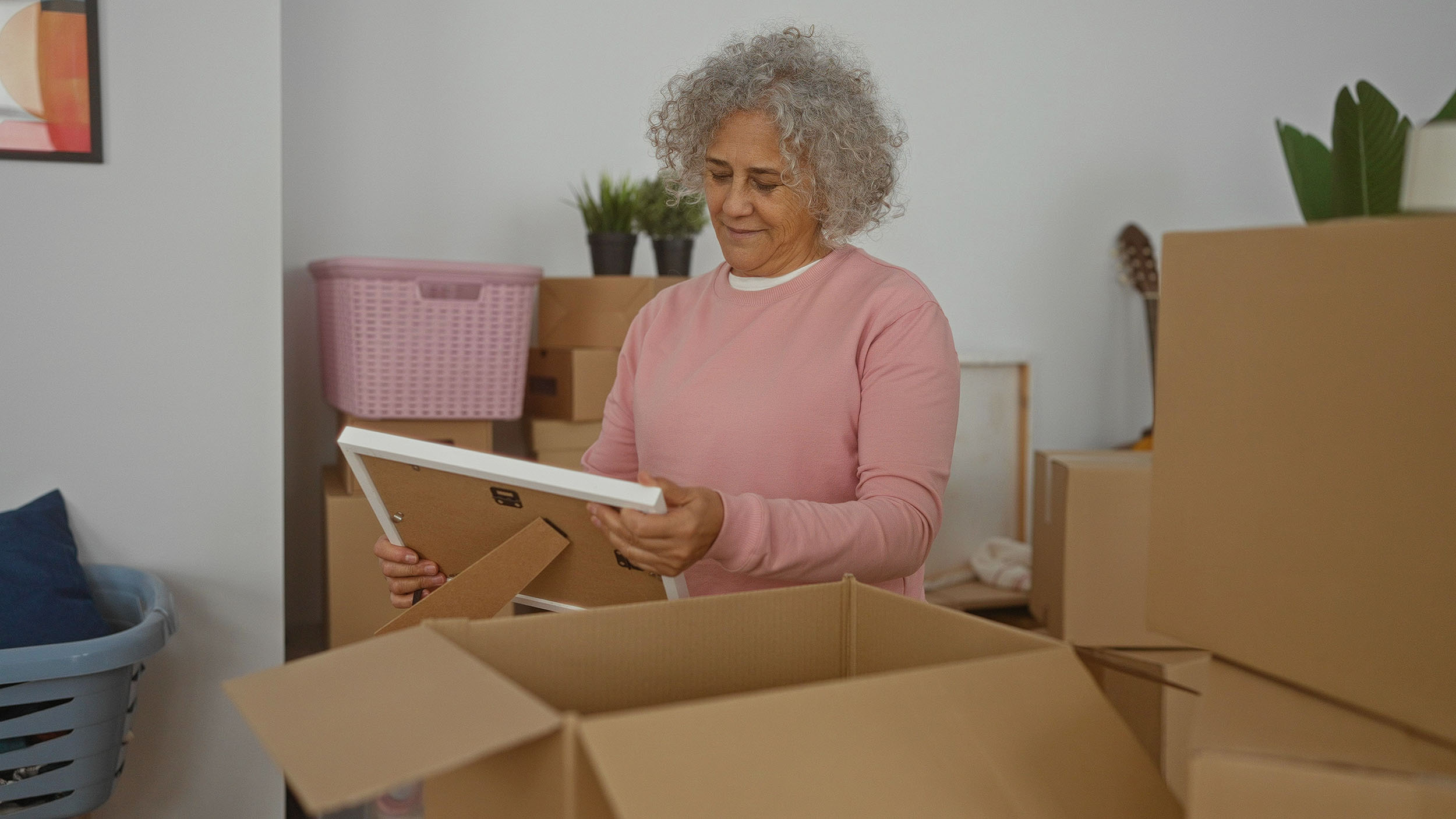
How you pack pictures for moving determines whether they arrive ready to hang or ready for the repair shop. Frames, glass, and artwork face concentrated vibration, impact, and pressure in transit, so they need more than a quick wrap in newspaper and a wish for the best.
With the right packing strategy, you protect the monetary value of fine art and the irreplaceable memory value of family photos, travel prints, and kids’ artwork. A careful approach also saves time at your destination because you avoid glass shards, damaged corners, and opaque mystery boxes.
Whether you pack a few framed photos or a wall of gallery pieces, you can follow the same professional techniques that art handlers and quality moving companies use every day. If that feels overwhelming, you can always bring in expert moving and packing services to handle your most fragile and sentimental items with professional-grade materials and systems.
HOW TO PACK PICTURES FOR MOVING
Pictures and artwork combine hard-to-replace sentiment with materials that damage easily, so they deserve the same attention as electronics and fine china. A single drop, door slam, or hard turn in the truck can crack glass, twist frames, or scuff the image surface if you pack them loosely or lay them flat under other boxes.
During a move, framed pictures face specific risks, including:
- Scratches from rubbing
- Broken or shattered glass
- Warped or bent frames
- Punctures through the box
- Chipped corners from impact
Glass fragments can also cut artwork or photos, especially if the picture lacks a mat or if broken glass moves freely inside the frame. Humidity and temperature swings add another layer of risk for originals, canvases, and older photographs because moisture and heat can warp paper and damage finishes.
Families with irreplaceable photos and art collectors need to pack pictures for moving with particular care because insurance can replace the frame, but not a wedding photo or a one-of-a-kind piece. If you own original art, limited editions, or vintage frames, proper packing and transport planning protects both current value and future resale or appraisal value.
CHOOSING THE BEST PACKING MATERIALS FOR PICTURES
Create a focused packing list to protect your pictures and artwork before moving:
- Quality bubble wrap
- Clean packing paper
- Cardboard or foam corner protectors
- Sturdy picture or mirror boxes
- Strong packing tape
- Labels and markers
- Glassine paper or stretch wrap for glass and artwork surfaces
Professional guides emphasize heavy-duty or double-walled boxes for framed pieces and mirrors because thicker cardboard absorbs impact better than lightweight cartons.
For most framed pictures, bubble wrap with small or medium bubbles works best because the air pockets distribute pressure and cushion against vibration. Many art-handling experts prefer a smooth first layer, such as glassine or acid-free paper, between the artwork and the bubble wrap to prevent abrasion or ink transfer.
Corner protectors, either commercial foam or cardboard versions, or DIY folded cardboard triangles shield the frame’s most vulnerable points against drops and bumps. Picture and mirror boxes often telescope so you can size them closely to your frames and reduce the space that would otherwise allow shifting. A full-service moving company can supply or include the same grade of cartons, wrap, and corner protectors that art handlers use for daily operations.
STEP-BY-STEP GUIDE TO PACKING FRAMED PICTURES AND ARTWORK
Follow a consistent sequence so every frame gets the same level of protection:
Prepare the Work Area and Frame
- Lay the picture flat on a clean, padded surface and remove dust from the glass and frame, so that the grit doesn’t scratch during transit.
- If the frame includes loose hanging wire or brackets, secure or tape them down so they don’t gouge the frame or puncture wrap layers.
Stabilize and Protect the Glass
- Place painter’s or masking tape in an “X” pattern across the glass to help hold shards in place if the glass cracks.
- Add a layer of glassine, acid-free paper, or clean packing paper over the glass and frame to keep the bubble wrap from sticking or abrading the surface.
Guard the Frame Edges and Corners
- Slip cardboard or foam corner protectors onto each corner of the frame, as most impact occurs at these places when boxes shift or lean.
- For large or heavy pieces, add edge guards or extra folded cardboard strips along the sides for additional rigidity.
Wrap With Cushioning
- Wrap the entire piece in bubble wrap, first vertically and then horizontally, so you have at least two full, snug layers with all surfaces covered.
- Secure the wrap with packing tape on the back only, so the adhesive never touches the frame finish or artwork.
Prepare and Load the Box
- Assemble a picture or mirror box, reinforce the bottom and edges with multiple strips of packing tape, and line the bottom with crumpled packing paper or extra bubble wrap for shock absorption.
- Choose a box slightly larger than the wrapped frame. If you place multiple smaller frames together, separate them with flat cardboard or padding between each.
Eliminate Shifting and Label Correctly
Slide the wrapped picture upright into the box and add more crumpled paper or padding along all sides and the top and gently shake the box. If anything moves, add more fill until the contents feel snug.
Seal every seam with packing tape, then mark the box “FRAGILE,” “GLASS,” and “THIS SIDE UP” on several panels so handlers see it from any angle.
For canvases without glass, you skip the taped “X” and instead, focus on a non-stick surface layer, such as glassine or acid-free paper, and gentle padding so nothing touches the painted surface directly.
For mirrors, follow mostly the same procedure, but prioritize extra padding at the corners and never lay the box flat under heavier items, as mirror glass easily cracks or shatters.
ENSURING THE SAFETY OF VALUABLE AND SENTIMENTAL PICTURES DURING TRANSPORT
In cases where it’s possible, transport valuables and sentimental pictures in your personal vehicle. However, this isn’t always possible, and sometimes it’s not as safe, such as when you have to make overnight stops or stop in places where people may break into vehicles.
High-value artwork and deeply sentimental pieces benefit from added structure and protection beyond basic cartons. For large, heavy, or expensive items, use specialty artwork boxes, custom-built crates, or wooden cases with internal foam that match the dimensions of each piece. These containers protect against crush force, punctures, and stacking loads during transit.
Extra precautions matter for limited editions, original paintings, antique frames, or collections with significant insurance value. Apply multiple protection layers, including smooth bubble wrap and rigid cardboard, and use desiccant packets for climate-sensitive pieces. Request that the moving crew keep those cartons upright and on top. Clear “Do Not Lay Flat” and “Top Load Only” labels reduce the chance of improper stacking that can crack glass or warp frames.
Moving insurance plays a critical role when you transport art and collectibles, as standard household policies often limit coverage for high-value items or exclude breakage in transit. Specialized fine art or transit insurance can cover pieces “wall-to-wall” or “nail-to-nail,” which means from their removal at the origin to rehanging at the destination. This type of insurance may require a current inventory and documentation of condition.
Professional moving companies that understand how to transport collectibles can help you evaluate coverage, prepare condition reports and pack according to insurer expectations.
COMMON MISTAKES TO AVOID WHEN PACKING PICTURES FOR MOVING
Rushed or improvised packing causes most picture damage, not freak accidents. One common mistake involves wrapping frames in a thin layer of newspaper or a blanket, dropping them into an oversized box and leaving large spaces where items can rattle or collide. That extra room translates into momentum, which leads to cracked glass, chipped corners, and dented frames when the truck hits bumps or corners.
Another frequent error involves packing framed pictures flat on the bottom of a box and stacking heavy items, including books, dishes, and décor, on top. Even if the glass survives loading, hours of vibration and weight can flex the glass and frame, eventually causing fractures or warping. Standing boxes upright, tightly braced against stable furniture such as sofas or dressers, better distributes forces and reduces flex.
People also forget to label picture boxes clearly, which encourages hurried loading and stacking as if the cartons hold linens or clothing. Without “FRAGILE” markings and orientation arrows, a well-packed picture can still suffer damage from rough handling or incorrect positioning. Consistent, legible labels on multiple sides remind everyone, including friends helping on moving day, to treat those boxes with extreme care.
ORGANIZING, LABELING, AND PLANNING FOR A SMOOTH MOVE
You can protect pictures better when you treat them as a distinct category in your moving checklist instead of an afterthought the night before you load the truck. Create a simple inventory that lists each framed picture or artwork, the room it came from, and a brief description, including its relative value or sentiment level. Photos of the pieces before packing double as condition documentation for insurance.
As you pack each item, record the box number, contents, and destination room in a spreadsheet, notebook, or moving app designed for organization. Label boxes on at least two adjacent sides with the room name, contents, and handling notes so movers can orient and stage them correctly. Clear labeling reduces unnecessary handling and digging, which lowers the risk of accidental drops or knocks.
Integrate picture packing into your broader moving timeline by removing artwork a few days ahead, packing it along with other fragile items, such as glassware, and keeping boxes grouped by rooms so the movers load them in a controlled sequence.
Best moving apps for organization and digital checklists help you track progress and ensure you don’t leave a frame on the wall or a box of photos in a closet in the rush of moving day. Families especially benefit from this structure, as it allows you to delegate tasks, including wrapping, recording inventory, and labeling, without sacrificing quality.
KEY TAKEAWAYS FOR PACKING PICTURES SAFELY FOR YOUR MOVE
To pack pictures for moving safely, focus on three factors: preparation, quality materials, and disciplined handling. Take artwork off the walls early, clean and inspect each piece, and decide which items need extra protection, specialty cartons, or even custom crates.
When you follow these best practices and integrate them into your moving house checklist, you significantly reduce the risk of broken glass, bent frames, or damaged images, even during a long-distance move.
If you feel unsure about packing fragile items or want extra peace of mind for high-value or sentimental pieces, you can partner with expert moving and packing services that bring specialized materials, trained crews, and proven systems to your home. Move-tastic! can handle everything from packing and labeling to transport logistics, so your framed art, mirrors, and family photos arrive ready to hang in your new space.
Still moving… by otakuchick is licensed with CC BY 2.0